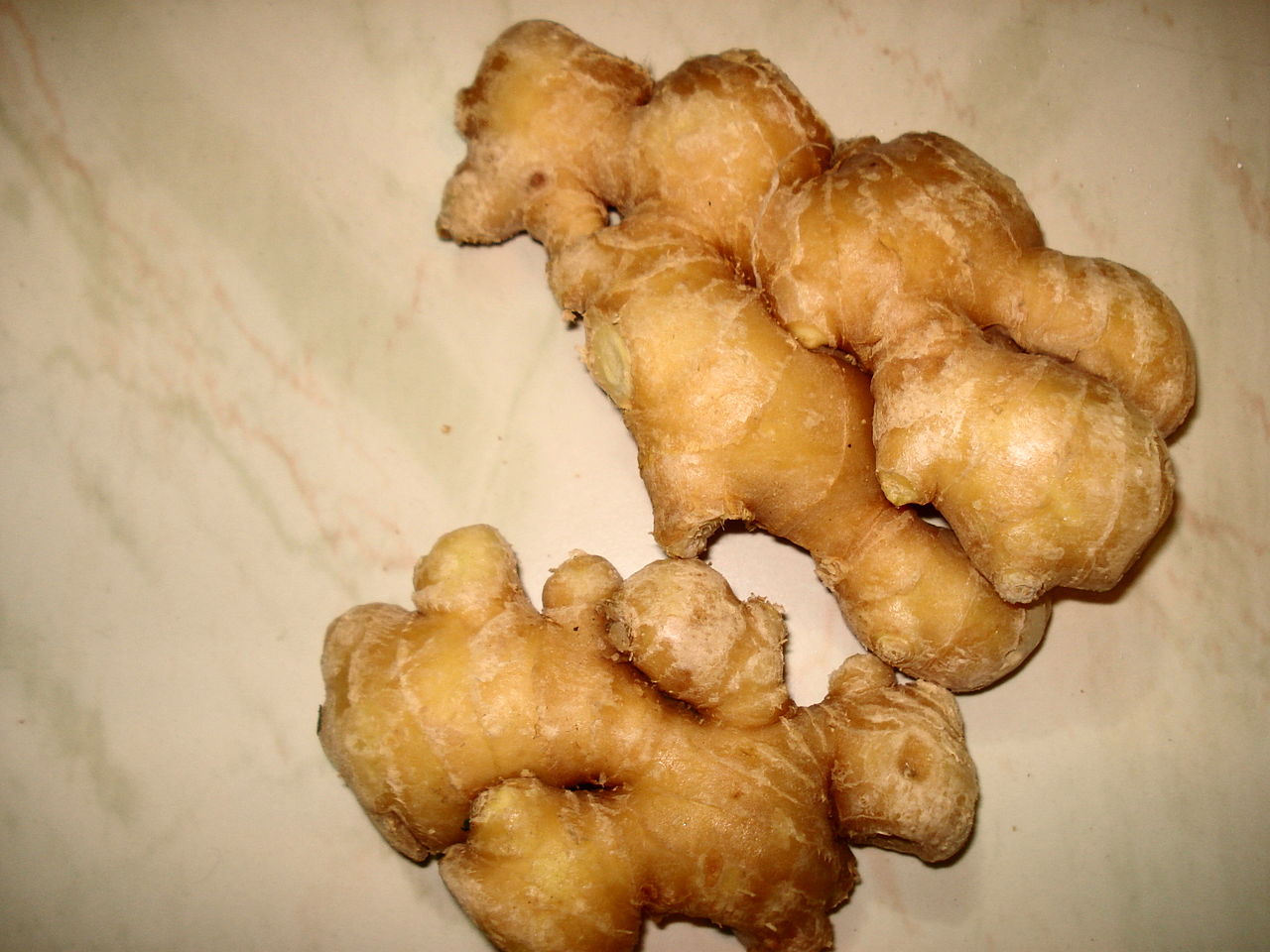
Ginger
姜
What Is Ginger?
Ginger (姜, jiāng) is one of the three essential aromatics in Chinese cooking (along with garlic and scallions). Fresh ginger root adds a warm, pungent, slightly sweet flavor that's the foundation of almost every Chinese dish. It cuts through richness, neutralizes 'fishy' flavors, and is considered 'warming' in Chinese food therapy.
How to Choose and Store
- Look for firm, smooth skin with a fresh, spicy smell
- Avoid wrinkled or moldy pieces
- Store in a cool, dark place or refrigerate in a paper bag
- Freeze it — frozen ginger grates more easily and lasts months
How to Use It
- Minced — for stir-fry bases and marinades
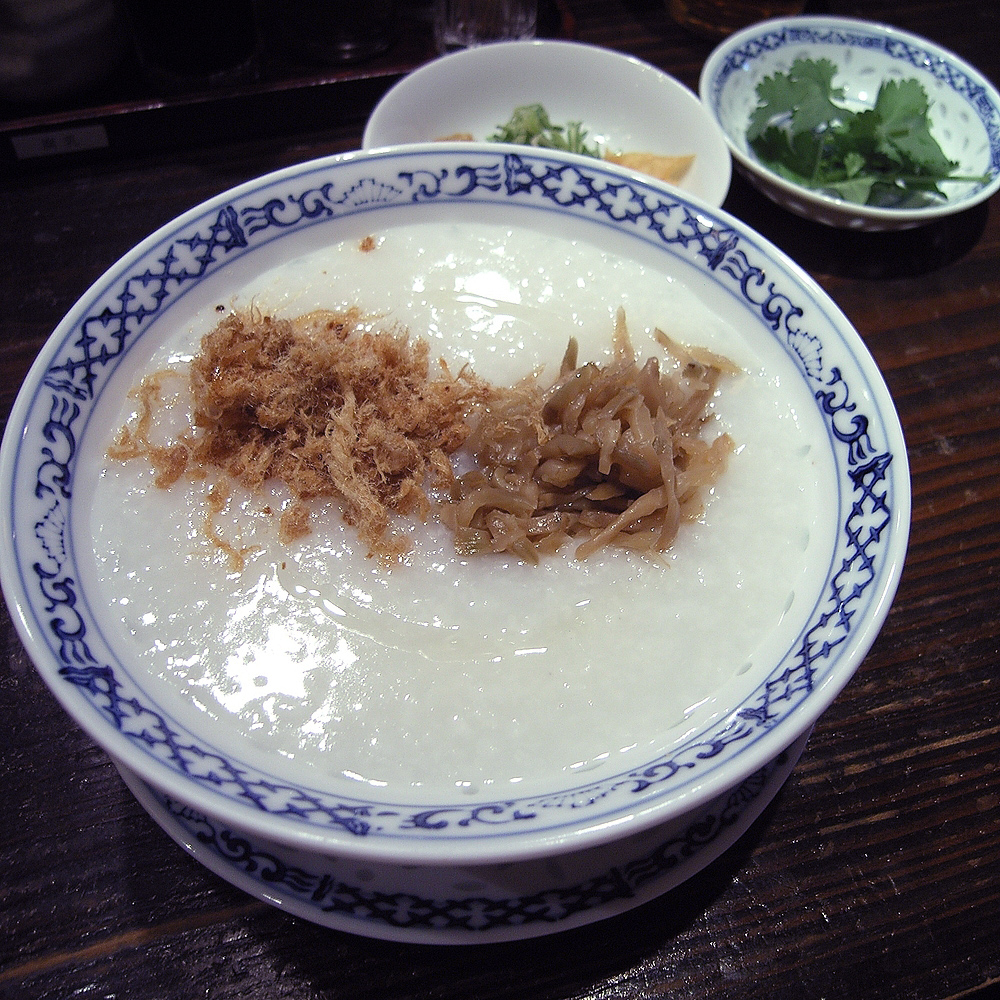
- Sliced — for soups, congee, and braised dishes (remove before serving)
- Smashed — for stocks and poaching liquids
- Julienned — as a garnish (especially for steamed fish and congee)
Pro tip: The general rule is 'fish and ginger, meat and scallion' (鱼配姜,肉配葱) — use more ginger with seafood (it removes fishiness), more scallions with meat dishes.
Taste & Flavor Profile
How to Use
It
- **Minced** — for stir-fry bases and marinades - **Sliced** — for soups, congee, and braised dishes (remove before serving) - **Smashed** — for stocks and poaching liquids - **Julienned** — as a garnish (especially for steamed fish and congee) **Pro tip:** The general rule is **'fish and ginger, meat and scallion'** (鱼配姜,肉配葱) — use more ginger with seafood (it removes fishiness), more scallions with meat dishes.
Best Substitutes
Can't find Ginger? Here are the best alternatives, ranked by similarity.
Related plant, more piney. Used in SE Asian cooking. 1:1 substitute.
Much weaker. Use ¼ tsp powder per 1 tbsp fresh.
Where to Buy
Available at most Asian grocery stores and online. Look for bright, aromatic specimens.