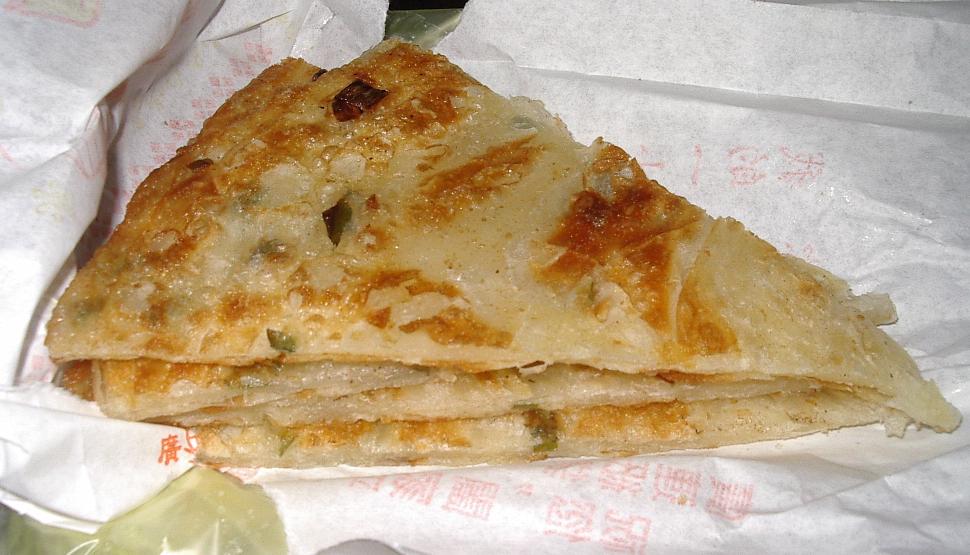
Scallion Pancakes (Congyoubing)
葱油饼
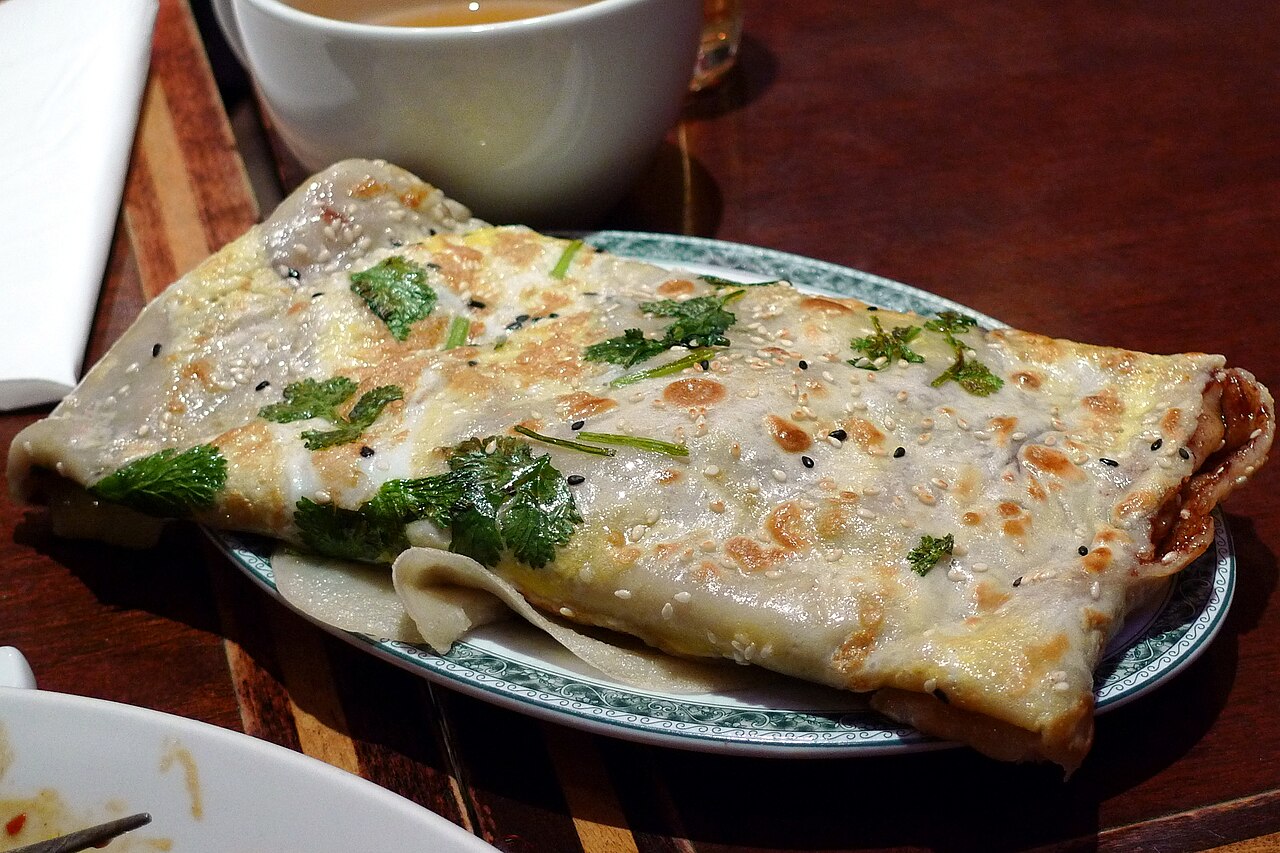
Flaky, crispy, chewy flatbreads layered with scallions and toasted sesame oil. Street food perfection — easier than you think to make at home.
📋 Ingredients
What Is Scallion Pancakes (Congyoubing)?
💡 Ingredient Notes: Scallion Pancakes (葱油饼, cōng yóu bǐng) — despite the name — are not fluffy breakfast pancakes. They're flaky, layered flatbreads, crispy on the outside and chewy inside, studded with scallions and brushed with sesame oil. The signature layers come from a clever rolling technique: the dough is rolled thin, brushed with oil, rolled up like a carpet, then coiled and re-rolled. This creates hundreds of flaky layers, like a savory croissant. A beloved street food across northern China, eaten any time of day.
Ingredients You'll Need
For the Dough
- 2 cups (260g) all-purpose flour
- ¾ cup (180ml) hot water (just off boil)
- Pinch of salt
- 1 tbsp cooking oil
For the Layers
- 3 tbsp all-purpose flour (for the roux paste)
- 3 tbsp neutral oil or toasted sesame oil, heated
- 1 tsp salt
- 1 cup scallions (green parts), finely chopped
For Pan-frying
- 3-4 tbsp cooking oil
To Serve
- Soy sauce for dipping
- Optional: chili crisp
📝 Instructions
Make the hot-water dough
Put flour and salt in a bowl. Pour in the hot water while stirring with chopsticks — you'll see shaggy flakes form. Knead briefly until it comes together into a soft dough (it will be sticky). Cover with a damp towel and rest for 30 minutes. Hot water dough is softer and more pliable than cold water dough — essential for the layered texture.
Make the roux paste
In a small bowl, mix 3 tablespoons flour with ½ teaspoon salt. Heat 3 tablespoons oil until shimmering, then pour over the flour. Stir into a smooth paste. This roux (油酥) creates the flaky layers and prevents the dough from sticking to itself.
Roll out the dough
Divide the dough into 4 equal pieces. Keep covered. Take one piece, roll into a thin rectangle (about 25×30cm / 10×12 inches) on a lightly oiled surface. Brush with the roux paste. Sprinkle generously with chopped scallions (use about ¼ cup per pancake).
Create the layers (key technique)
Roll the rectangle up tightly from the long side, like a carpet, into a log. Then coil the log into a snail shape (like a cinnamon roll). Flatten slightly with your palm, then roll out into a circle about 18cm (7 inches) across. The layers are now locked inside. Repeat with the remaining dough.
Pan-fry the pancakes
Heat 1 tablespoon oil in a pan over medium heat. Add a pancake and cook for 3-4 minutes per side, pressing down occasionally with a spatula, until deeply golden and crispy. The pancake should puff up and develop crispy layers. Add more oil between pancakes.
Smash and serve
Optional: hold the cooked pancake vertically and clap it between your hands (or hit it with the spatula) — this separates the layers and makes it extra flaky. Cut into 6-8 wedges and serve hot with soy sauce or chili crisp.
💡 Pro Tips
- 💡💡 Use HOT water for the dough. This partially cooks the flour, making the dough softer and easier to roll thin. Cold water makes it tough and elastic.
- 💡💡 Let the dough rest at least 30 minutes. This relaxes the gluten, making it much easier to roll thin without springing back.
- 💡💡 The roux paste (油酥) is essential. It's what creates the flaky layers. Don't skip it or use plain oil — the flour-oil paste prevents sticking and builds layers.
- 💡💡 Don't overstuff with scallions — too many will tear the dough and fall out during cooking. A generous sprinkle is enough.
- 💡💡 Cook over medium, not high heat. You want the inside cooked through before the outside burns. Patience gives crispy-yet-tender results.
📊 Nutrition Facts
❓ Frequently Asked Questions
Why is my pancake tough instead of flaky? Likely causes: cold water instead of hot, dough not rested long enough, or overworked. The hot water and resting are crucial for the tender-chewy texture.
Can I make them ahead? Yes — the shaped (uncooked) pancakes freeze beautifully. Stack with parchment paper between them. Cook from frozen, adding 1-2 extra minutes per side.
Why use hot water dough? Hot water partially gelatinizes the flour starch, creating a softer, more pliable dough that rolls thin without snapping back. It gives the signature tender-chewy texture.